

Sponsors keep writing Big Six cheques. Broadcasters won’t stop putting Spurs in that same conversation every weekend, and the stadium looks like it belongs to a club competing for the most prestigious titles in world football. But pull up any bookmaker’s page and check where they actually price Tottenham. For a match or a full season market, you’ll find a story that doesn’t match the branding at all. Two 17th-place finishes in a row did that, and not even a Europa League win in 2025 could change the underlying perception.
Nobody at the Premier League or Sky Sports has officially crossed Spurs off the Big Six list. The label lives on in the media, but odds compilers don’t care about branding or broadcast packaging. They care about output, and by that measure Tottenham have been an upper-mid-table side for two full seasons now. So which version should anyone take seriously? The one signing enormous commercial deals, or the one that flirts with relegation every spring?
The Commercial Club Still Commands Elite Money
Off the pitch, the numbers stay huge. The Tottenham Hotspur Stadium pulls in money from NFL games, concerts, corporate events, and a hospitality operation that can go head-to-head with anything else in the Premier League. Reports have pointed towards a possible naming rights deal worth more than £500m over 20 years, and AIA’s shirt sponsorship, even as it transitions to a training kit arrangement, shows how much global commercial pull the club still has.
Revenue from the commercial side of the business climbed nearly 9% year-on-year in 2024-25. That tells you plenty. But none of that money has turned into consistent results on the pitch, and those who set the odds on football for a living have picked up on that gap.
What the Odds Actually Say
Before a ball was kicked this season, the Opta supercomputer gave Tottenham a 2.5% chance of winning the league and a 17.6% chance of a top-four finish. Seventh was their most likely position. But the spread of probabilities ran so wide that anything from fourth all the way down to fourteenth looked realistic.
Nobody would price a genuine Big Six club with odds like that. That range belongs to a wildcard, and most Spurs punters will treat it like one, burning through whatever free bets offer they can find before they commit real money to a side that could genuinely finish anywhere from fourth to seventeenth. This shouldn’t be thought of as a lack of faith in the club. It’s common sense when the bookmakers themselves can’t narrow the range down.
A Badge That Writes Cheques the Football Can’t Cash
At this point, Tottenham operate as two completely separate clubs. The brand sells one that belongs alongside Arsenal, Liverpool, Manchester City and Chelsea at the very top of English football. On the pitch, it falls apart. Back-to-back 17th-place finishes don’t lie, and it doesn’t matter how much the stadium revenue or the commercial partnerships suggest otherwise.
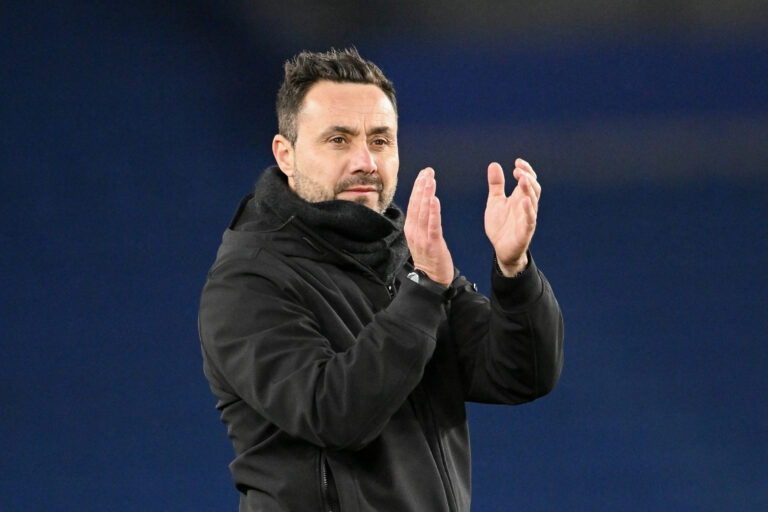
A £300m summer rebuild under De Zerbi was supposed to be the turning point for this club. Early signs haven’t convinced. Until the results start matching the investment, bookmakers will keep pricing Spurs based on what they actually see on matchdays, not what the marketing department puts on a sponsor deck.
How Long Can the Brand Carry the Team?
At some point the industry will stop calling Tottenham a Big Six club altogether. No press release will mark it. It’ll happen gradually, as broadcasters stop scheduling them in premium slots and sponsors start asking harder questions about what they’re actually getting for their money when results on the pitch keep falling short.
The commercial side of the club can push that moment back, but not forever. A stadium that hosts NFL games and sells out concerts won’t keep propping up the Big Six tag if the team inside it finishes 17th for a third time. If results don’t catch up soon, the odds compilers will just be the first of many to have moved on already.
Image Source: unsplash.com


Comments.
Loading comments…