“`html
Romero Exit Call Gives De Zerbi A Defining Tottenham Test
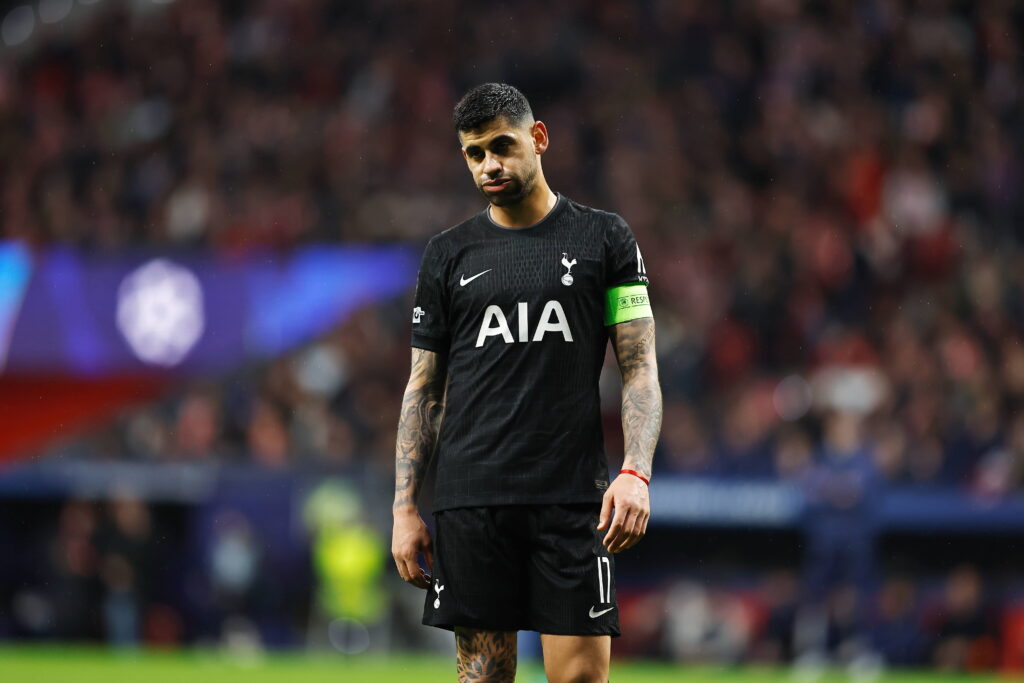
Cristian Romero tests Roberto De Zerbi’s Tottenham rebuild. This isn’t just a transfer decision. It’s about authority, culture, and whether Spurs will detach the armband from reputation.
Market noise around Romero hits at a crucial moment. The Sun reported this week that Tottenham expects their captain to leave as part of a summer reset. The club also targets major additions after another Lewis Family cash injection. The Times, meanwhile, framed Spurs’ window as an aggressive attempt to outpace rivals. New signings are in place. Further targets are being pursued.
Romero is at the center of this tension. He’s Tottenham’s most decorated defender, a World Cup winner, and an elite duel defender when fit. Yet, his Tottenham story cycles through brilliance, injury, speculation, public scrutiny, and then another decision point.
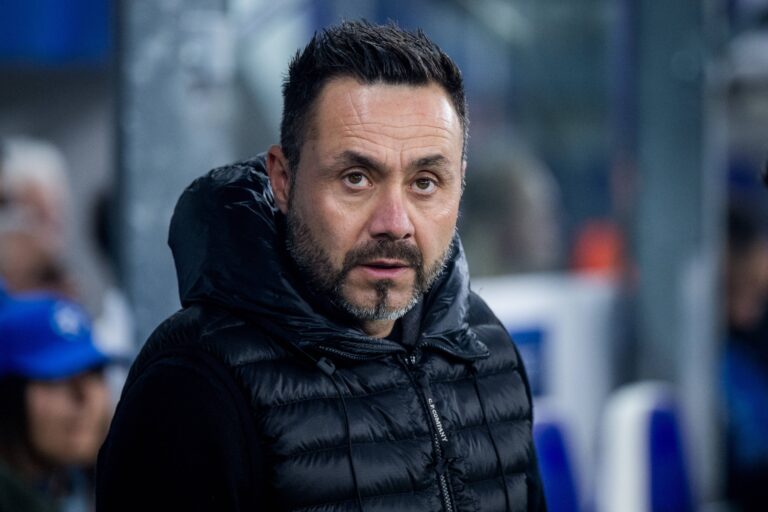
For De Zerbi, the call is brutal. Keeping Romero protects peak-level upside. Selling him gives Tottenham a clean break between old instability and a new dressing-room order.
De Zerbi Cannot Build A New Standard Around An Unsettled Captain
Romero’s issue isn’t quality. Tottenham knows his best: front-foot aggression, recovery speed, aerial authority, and an edge that toughens softer teams. That’s why Atletico Madrid links never felt random.
The problem is reliability. Sky Sports’ coverage of the final-week Everton build-up captured the awkwardness around Romero’s leadership. De Zerbi was pressed on the captain’s decision to continue injury rehab in Argentina while Tottenham fought for Premier League safety. The head coach’s message was careful, but the line about leaders being different carried weight.
That moment matters now. Tottenham isn’t just assessing Romero. They’re evaluating if a player who has carried the armband can remain the emotional reference point for a squad being rebuilt after consecutive 17th-place finishes.
There’s an argument for patience. Romero’s contract gives Spurs leverage. His ceiling remains Champions League level. His partnership with Micky van de Ven, when available, looks like the defensive base of an elite side. A fit, committed Romero under De Zerbi could accelerate the rebuild faster than any late July replacement.
But Tottenham has been trapped by conditional thinking before. If Romero is fit. If the noise stops. If he’s fully invested. If the market doesn’t tempt him again. Elite clubs can tolerate complexity around star players, but they can’t let a rebuild depend on a captain whose future feels provisional.
The Defensive Rebuild Has Already Moved Beyond Sentiment
Tottenham’s recruitment work shows a club removing excuses early. Jan Paul van Hecke arrived for a major fee. Andy Robertson and Marcos Senesi added senior experience. Martin Dubravka joined the goalkeeping group. Each deal’s judgment aside, the pattern is clear: De Zerbi wants adults, availability, and tactical clarity.
That’s why Romero’s situation looks different in 2026. Tottenham isn’t just wondering if they can survive without him. They’re building a squad where his exit isn’t automatically catastrophic.
Van Hecke gives De Zerbi a defender comfortable stepping into midfield zones. Senesi offers another left-sided passing profile. Robertson changes the leadership mix immediately. He arrives with title-winning experience, daily standards, and the ability to challenge a dressing room without needing a captain’s armband. These additions don’t replace Romero’s best defensive instincts, but they reduce the emotional dependency around him.
The financial layer is crucial. The Sun’s report placed Tottenham’s ownership injection at another £100m, stressing it’s working capital rather than a simple transfer pot. Even so, Spurs operate like a club creating flexibility across wages, fees, and squad status.
A Romero sale would sharpen that flexibility. It would open salary space, remove one of the summer’s biggest unresolved questions, and allow De Zerbi to choose a captain whose availability, message, and future align with the manager’s first full pre-season.
That doesn’t mean Tottenham should undersell him. Romero isn’t a distressed asset. He’s a 28-year-old Argentina international with elite tournament pedigree, a Premier League body of work, and enough scarcity value to make La Liga interest credible. If Spurs move, it must be on their number and timeline.
The Armband Decision May Matter More Than The Fee
Transfer coverage often reduces major player decisions to valuation. Romero is different. Tottenham’s bigger call is whether De Zerbi can start the 2026/27 season with a captain whose connection to the fanbase is strained.
That strain didn’t begin this week. ReadTottenham has covered how De Zerbi’s comments mirrored supporter frustration around Romero. Late-season optics haven’t disappeared because the transfer window opened. Leadership is judged hardest when a club is vulnerable, and Tottenham was vulnerable for almost the entire campaign.
There’s a clear counterpoint. Players aren’t machines. Injury rehabilitation isn’t always linear. Romero’s competitive personality made him valuable. Strip too much emotion from Tottenham’s squad, and the club risks building a technically tidy team with no edge.
De Zerbi knows that. His Brighton sides had bite and patterns. His best Sassuolo work depended on players brave enough to accept risk in possession and aggressive enough to defend space behind them. A fully bought-in Romero fits that kind of football.
Yet the key phrase is fully bought-in. Tottenham’s summer can’t rely on hoping the captaincy issue resolves itself. If Romero wants the next chapter, the club should negotiate firmly and move decisively. If he wants to stay, Spurs should make the terms explicit: availability, public discipline, dressing-room responsibility, and a reset with supporters.
What A Clean Romero Call Would Signal
Tottenham’s Premier League season begins on the weekend of August 22, according to the club’s official key dates. This gives De Zerbi a compressed window to establish hierarchy before match rhythm takes over.
A drawn-out Romero saga would directly impact that work. Centre-back partnerships depend on repetition. Pressing lines depend on trust. Goalkeepers need certainty about the defenders in front of them. Captains need more than status; they need presence.
This is where De Zerbi’s rebuild becomes less about tactics and more about governance. Tottenham has backed him with experienced signings and a more aggressive market posture. The next step is proving that no player, however talented, is bigger than the standard the manager is trying to set.
There’s still a strong football case for Romero staying. Tottenham doesn’t have many players with his defensive ceiling, international authority, or capacity to intimidate elite forwards. Losing him would create a new recruitment demand in a window already crowded with midfield, attacking, and goalkeeping decisions.
But the strongest clubs make these calls before they become emergencies. If Romero is part of the future, name the standard and rebuild his authority in public. If he isn’t, sell with control and give De Zerbi the cleanest possible dressing-room reset.
That’s why this decision feels bigger than one defender. Romero represents the line between Tottenham’s old habit of unresolved drama and De Zerbi’s attempt to build a team with harder edges, clearer roles, and fewer excuses.
For Spurs, the fee will matter. The replacement will matter. The timing will matter. But the real judgment will be whether Tottenham finally makes a captaincy decision before the captaincy decision makes them.
“`



Comments.
Loading comments…