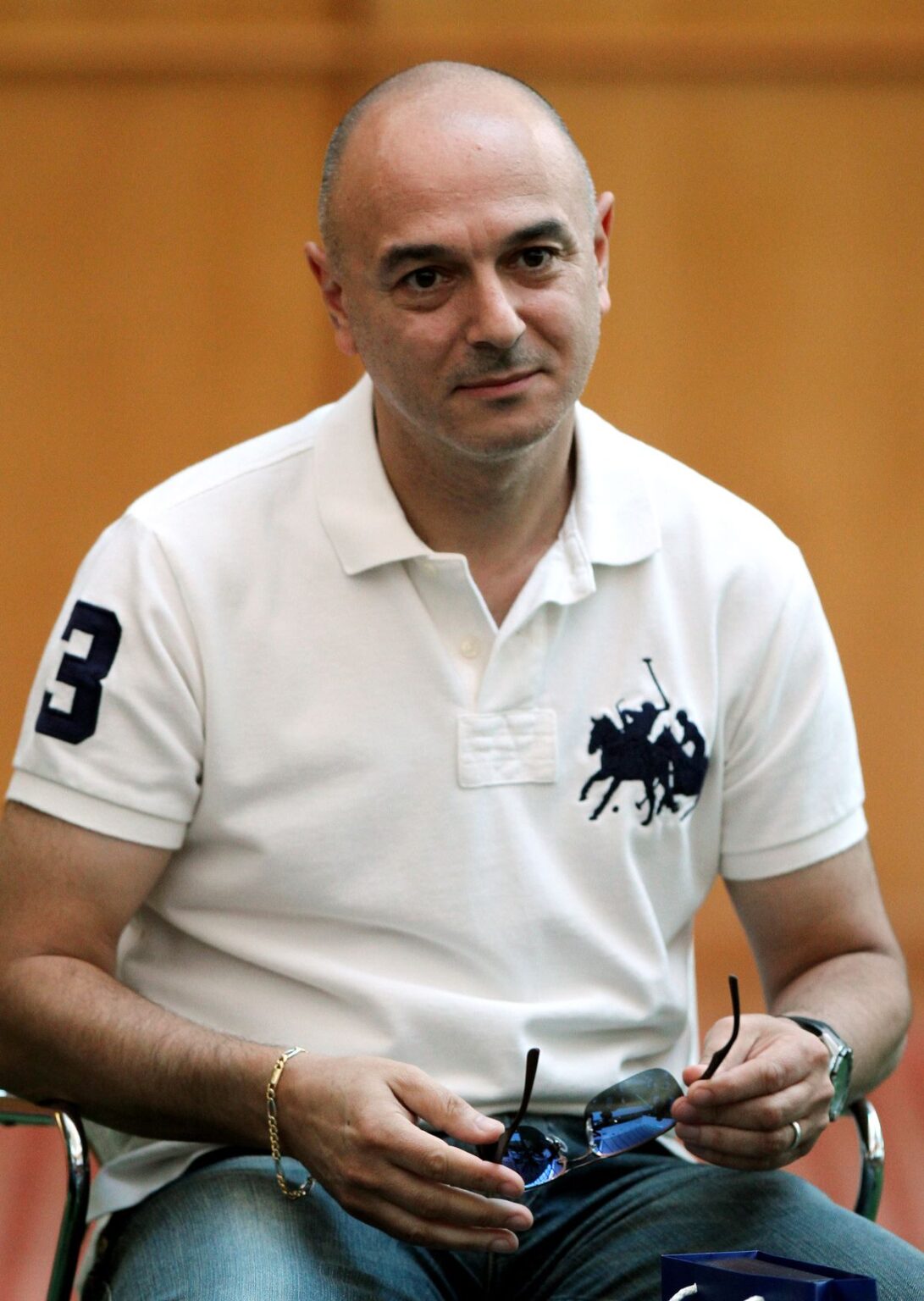
Joe Lewis has rarely needed to speak loudly for Tottenham supporters to feel the weight of his influence. This week, the signal came in a different currency: art, equity and timing.
The Times reported that Lewis’s private collection raised £306m at Sotheby’s in London, setting a European record for a single-owner auction. The sale landed within days of fresh reporting around the Lewis family injecting another £100m of capital into Tottenham through ENIC, with talkSPORT framing the money as part of a wider ownership push behind Roberto De Zerbi’s rebuild.
That does not mean the Modigliani, Freud and Klimt proceeds are being wired straight into a Sandro Tonali bid. Club finance is not that crude. But at Tottenham, where ENIC’s public image has long been shaped by restraint, the optics matter. A record-breaking auction, a fresh capital commitment and a transfer market acceleration all point in the same direction: the Lewis family want this summer to be read as control, not drift.
The Ownership Message Has Changed
The immediate significance is not simply that Tottenham have more money available. It is that the ownership group is attaching itself publicly to the rebuild at a point when the club can no longer hide behind managerial churn, Daniel Levy’s old operating model or vague long-term language.
Tottenham’s own previous capital injection statement described the money as a way to strengthen the club’s financial position and support long-term sporting success. That phrasing was deliberately broad. The current context is sharper. Spurs have already moved aggressively around the squad, and the internal challenge is now whether the board can turn balance-sheet strength into football coherence.
That is why the latest ownership conversation should be read alongside Read Tottenham’s recent look at Daniel Levy’s ENIC stake. Levy remains part of the wider ENIC story, but the face of Tottenham’s decision-making has shifted. The Lewis family, Vivienne Lewis, Charles Lewis and the post-Levy executive structure are now exposed in a way they were not for much of the previous decade.
De Zerbi Now Needs Proof, Not Just Backing
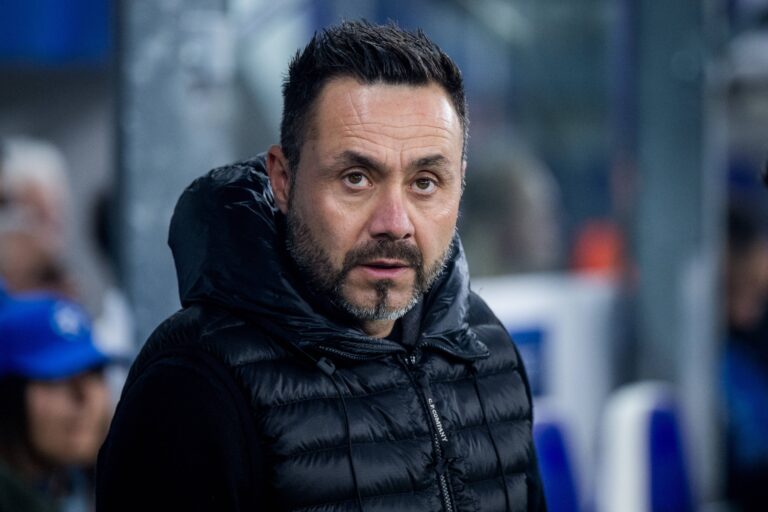
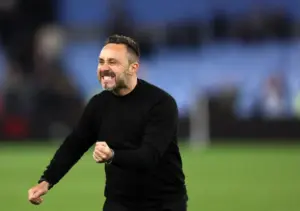
For De Zerbi, the appeal is obvious. A manager who wants technical defenders, press-resistant midfielders and brave build-up players needs certainty early in the window. Spurs have tried to provide it by moving fast, but the bigger question is whether this capital gives the club enough flexibility to finish the expensive parts of the rebuild rather than merely win the early headlines.
The numbers are useful but not unlimited. In the current Premier League market, £100m can disappear across one elite midfielder, a salary package and agent costs. If Tottenham are still pursuing top-tier targets while managing exits, wage structure and profitability rules, the ownership money is a platform rather than a solution.
It also raises the pressure on recruitment execution. Tottenham cannot afford a summer where capital is used to collect names without solving roles. De Zerbi’s system needs a cleaner midfield connection, better defensive distribution and enough senior experience to prevent another season drifting into emergency mode. Money creates leverage, but only if the football department knows precisely where to apply it.
That is why the art sale matters as a symbol. Supporters will not care whether Lewis sells masterpieces unless the football department converts this moment into a stronger starting XI. But after years in which Tottenham were accused of being wealthy without being forceful, the family trust has allowed the debate to move. The question is no longer whether ENIC has capacity. It is whether ENIC has the appetite to keep spending when the easy statement has already been made.
Tottenham’s recent Lewis family backing already gave De Zerbi a market test. The Sotheby’s record sharpens it. Hard cash is now part of the message. The next proof has to arrive on the pitch.



Comments.
Loading comments…